If a specialist has recommended platelet-rich plasma (PRP) for your knee, it’s normal to have questions about what the injection involves, what aftercare comes next, and when you can get back to your routine. In this guide we review what PRP is, how it is administered, what side effects may appear, and which results are realistic.
If what you want to know is whether PRP is an option for your case and where to get it, see our page on PRP for the knee. If your diagnosis is joint wear, the guide on knee osteoarthritis may also help.
What Is Platelet-Rich Plasma and How Does It Work?
Platelet-rich plasma (PRP) is a concentration of platelets taken from the patient’s own blood. These platelets play a crucial role in the healing of wounds and damaged tissue. By concentrating them, their regenerative properties are increased.
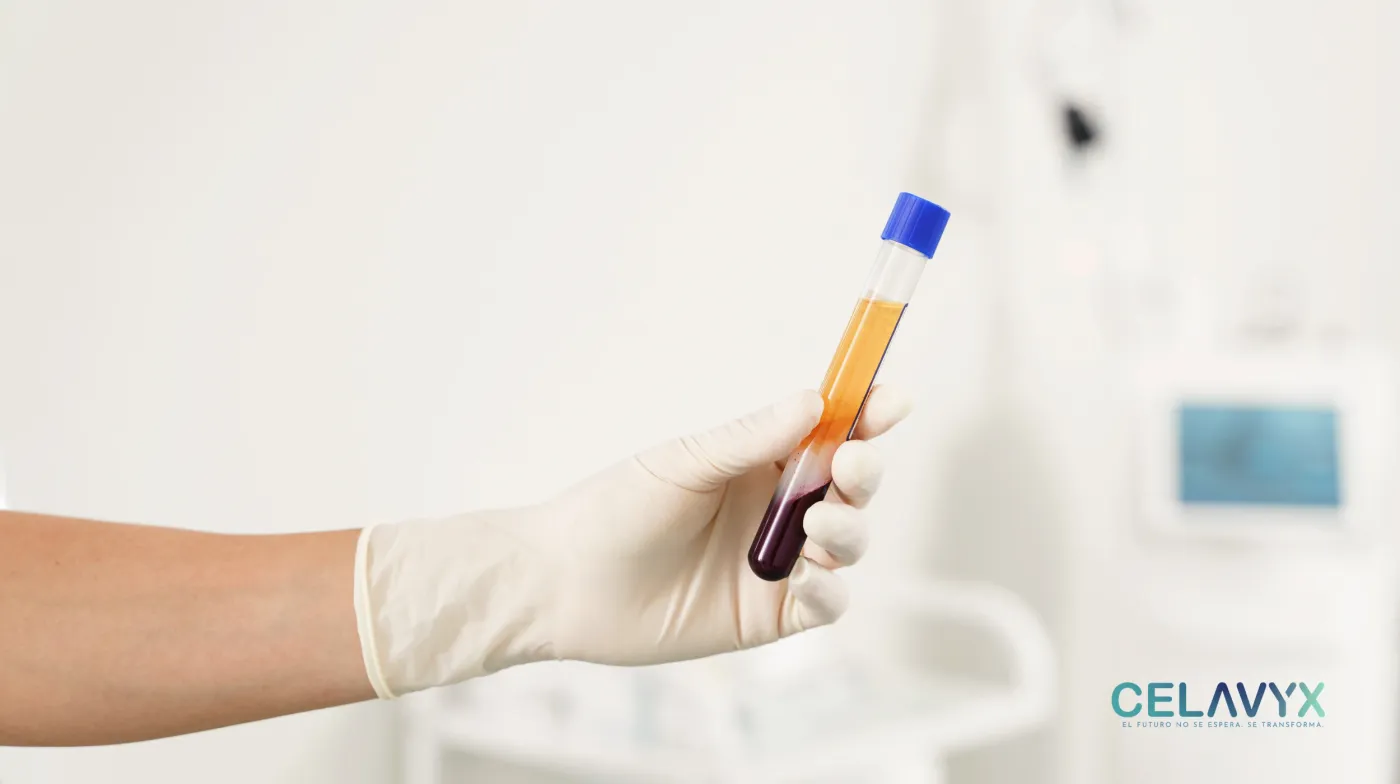
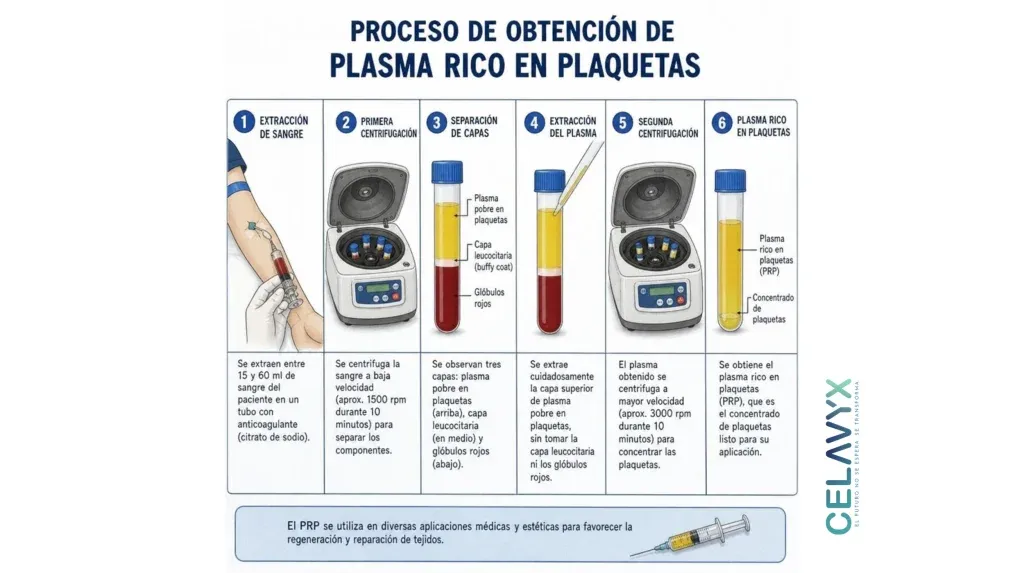
The process of obtaining PRP begins with a simple blood draw. The blood is then centrifuged to separate the platelets from the other blood components. The result is an enriched plasma that is used in treatments.
The role of PRP in regenerative medicine is simple but effective. It contains growth factors that stimulate the repair of damaged tissue. It also helps reduce inflammation and promotes more efficient healing.
Some of the properties of PRP include:
- Stimulation of collagen production.
- Reduction of pain and inflammation.
- Acceleration of tissue healing.
This technique makes use of the body’s own resources to heal, resulting in a more natural recovery that is personalized for each patient.
Applications of Platelet-Rich Plasma in the Knee
The use of platelet-rich plasma in the knee has gained popularity in regenerative medicine. Its ability to promote natural healing has proven valuable in managing a variety of joint conditions. The knee, being a complex joint, benefits significantly from this therapeutic approach.
PRP treatments offer a minimally invasive solution for common knee problems, ranging from osteoarthritis to sports injuries. By reducing inflammation and encouraging tissue repair, PRP becomes an effective alternative to more aggressive treatments.
The applications of PRP in the knee cover a variety of conditions:
- Knee osteoarthritis
- Meniscus injuries
- Tendinitis
- Ligament tears
These uses not only relieve pain but also improve joint function, helping ensure a better quality of life for patients. PRP represents an important advance in the treatment of joint problems.
What PRP Aims to Achieve in the Knee
Platelet-rich plasma offers numerous benefits for knee treatment. This treatment significantly improves quality of life by reducing pain and increasing mobility. For many people, it represents a positive and lasting change.
One of the main benefits is its ability to promote natural healing. PRP contains growth factors that stimulate the repair of damaged tissue. This property is crucial in the recovery of damaged joints.
In addition, PRP can reduce inflammation in the knee. This is especially valuable for those who suffer from chronic inflammatory conditions. Reduced inflammation leads to a decrease in the overall pain the patient experiences.
Treatment with platelet-rich plasma is a minimally invasive option. This means the risk of complications is lower compared with surgical procedures. In addition, using the patient’s own blood reduces the likelihood of adverse reactions.
Some notable benefits of PRP in the knee include:
- Long-term pain relief
- Improved joint function
- Less inflammation
- Faster recovery
With all these benefits, PRP is establishing itself as a promising therapy. Patients can consider this option as part of a comprehensive treatment plan.
Platelet-Rich Plasma and Knee Osteoarthritis
Knee osteoarthritis is a degenerative condition that affects many people, especially as they age. The use of platelet-rich plasma (PRP) to treat osteoarthritis has gained popularity because of its potential benefits. This treatment aims to reduce pain and increase joint function.
PRP offers an attractive solution for those looking to slow the progression of osteoarthritis. It works by stimulating the regeneration of damaged cartilage, which is essential for maintaining joint health. It can also reduce inflammation, a common and painful symptom associated with osteoarthritis.
Although results may vary depending on the degree of osteoarthritis, many studies have shown significant improvements. People who suffer from chronic pain often find relief through this therapeutic approach. In this way, PRP not only offers immediate benefits but is also considered an investment in the future health of the knee.
The benefits of PRP in cases of knee osteoarthritis include:
- Cartilage regeneration
- Reduced inflammation
- Relief of chronic pain
- Improved joint function
By incorporating PRP into their treatment, osteoarthritis patients find a viable alternative to surgery. This personalized approach adapts to individual needs, offering hope to those who want to regain mobility and improve their quality of life.
Using Platelet-Rich Plasma for Knee Injuries
Platelet-rich plasma (PRP) is also effective in treating various knee injuries. From meniscus tears to tendinitis, PRP offers a novel option for recovery. Unlike conventional treatments, PRP uses the patient’s own blood components to support healing.
This therapy is especially advantageous for athletes. It allows them to recover from injuries faster and return to their activities. PRP’s ability to reduce inflammation and stimulate the repair of damaged tissue is key in this process.
PRP can be administered in an outpatient setting with a quick recovery. This treatment not only helps relieve pain but also improves knee function.
The benefits of PRP for knee injuries include:
- Faster recovery
- Reduced pain
- Reduced inflammation
- Improved rehabilitation
Thanks to PRP, patients find an ally in recovering from knee injuries without resorting to more invasive interventions.
Procedure: How Is Plasma Injected Into the Knee?
The process of administering platelet-rich plasma in the knee is relatively straightforward. It begins with a blood draw from the patient. This blood is placed in a centrifuge to separate and concentrate the platelets.
The enriched plasma is injected directly into the affected area of the knee. This is a minimally invasive, outpatient procedure, which is convenient for the patient. Ultrasound can be used to guide the injection for optimal accuracy.
This procedure generally does not require hospitalization, and patients can return to their activities shortly afterward. Post-procedure care includes avoiding strenuous activity for a few days. Improvements may be noticed within weeks, depending on the severity of the injury.
Steps of the procedure:
- Blood draw
- Centrifugation to concentrate platelets
- Guided PRP injection into the knee
- Monitoring of recovery
This PRP administration method is safe and quick, offering an innovative solution for knee conditions.
Safety, Side Effects, and Contraindications
Treatment with platelet-rich plasma is generally safe, since it uses the patient’s own blood. This minimizes the risk of allergic reaction or rejection. However, like any medical procedure, it is not free of possible side effects.
Side effects are usually mild and include swelling, mild pain, and redness at the injection site. These symptoms usually go away within a few days. It is important for patients to follow the post-treatment instructions to minimize this discomfort.
There are certain contraindications to the use of PRP. People with clotting disorders, active infections, or certain types of cancer should avoid this treatment. It is crucial for the patient to consult a specialist to properly evaluate their case.
Factors to consider:
- The patient’s medical history
- Possible allergies
- Evaluation of any existing infections
Overall, PRP is a treatment option with a good safety profile for many patients when administered properly.
Expected Results and Recovery After Treatment
Treatment with platelet-rich plasma offers a promising alternative for patients with knee pain. Patients generally experience a significant reduction in pain and an improvement in mobility. However, the extent of the benefits can vary depending on the individual and the severity of their condition.
Recovery after treatment is usually quick, with most patients resuming their daily activities within a short period of time. Although some may feel temporary discomfort in the treated area, this is generally short-lived and manageable.
To maximize the benefits of treatment and ensure optimal recovery, it is recommended to follow certain guidelines:
- Avoid strenuous activity for a short period
- Follow the protocol recommended by the specialist
- Report any persistent or unusual discomfort to your doctor
This careful approach helps ensure that patients get the best possible results from PRP treatment.
Comparison With Other Treatments for Knee Pain and Injuries
Platelet-rich plasma stands out from other traditional knee treatments because of its natural approach. While surgery and anti-inflammatory medications are common options, PRP offers a less invasive alternative. This treatment harnesses the body’s own growth factors to promote healing.
Unlike opioids, PRP carries no risk of addiction, and it has fewer side effects than traditional medication. Physical therapy, on the other hand, is effective, but PRP can be combined with it to enhance results.
The key differences between PRP and other treatments include:
- Less invasive than surgery
- Use of the patient’s own blood, minimizing side effects
- Possibility of combining with other therapies to increase effectiveness
This combination of benefits has made PRP gain popularity, especially in the field of regenerative medicine.
Frequently Asked Questions About Platelet-Rich Plasma in the Knee
Many people have questions about how platelet-rich plasma works. Here, we answer some of the most common ones. Is the procedure painful? Most patients report minimal discomfort.
Some other frequently asked questions include:
- How many sessions are needed? Generally, 1 to 3 sessions are recommended.
- How long does it take to see results? Results may be noticeable within weeks.
- Is the therapy suitable for everyone? A specialist must evaluate each case.
These answers aim to clear up the most common questions about PRP in the knee.
Is PRP Right for Your Knee? An Evaluation Decides
The response to PRP is not the same in every patient: it depends on the diagnosis, the degree of wear, and what each person hopes to regain. That is why the decision is made after a medical evaluation, not before.
At CELAVYX you can schedule an evaluation to review your case with the medical team. You can also learn how we approach PRP for the knee.