Book your assessment Message us on WhatsApp
Locations in Bogotá and Buenos Aires
Assessment with a specialist
Our own laboratory with batch-by-batch quality control
No promises: we explain what to expect
—What it is
What to expect from the injection
This page explains what to expect from the procedure, how the session schedule is planned and in which cases it isn’t indicated.
To learn what PRP is in general, see the platelet-rich plasma page.
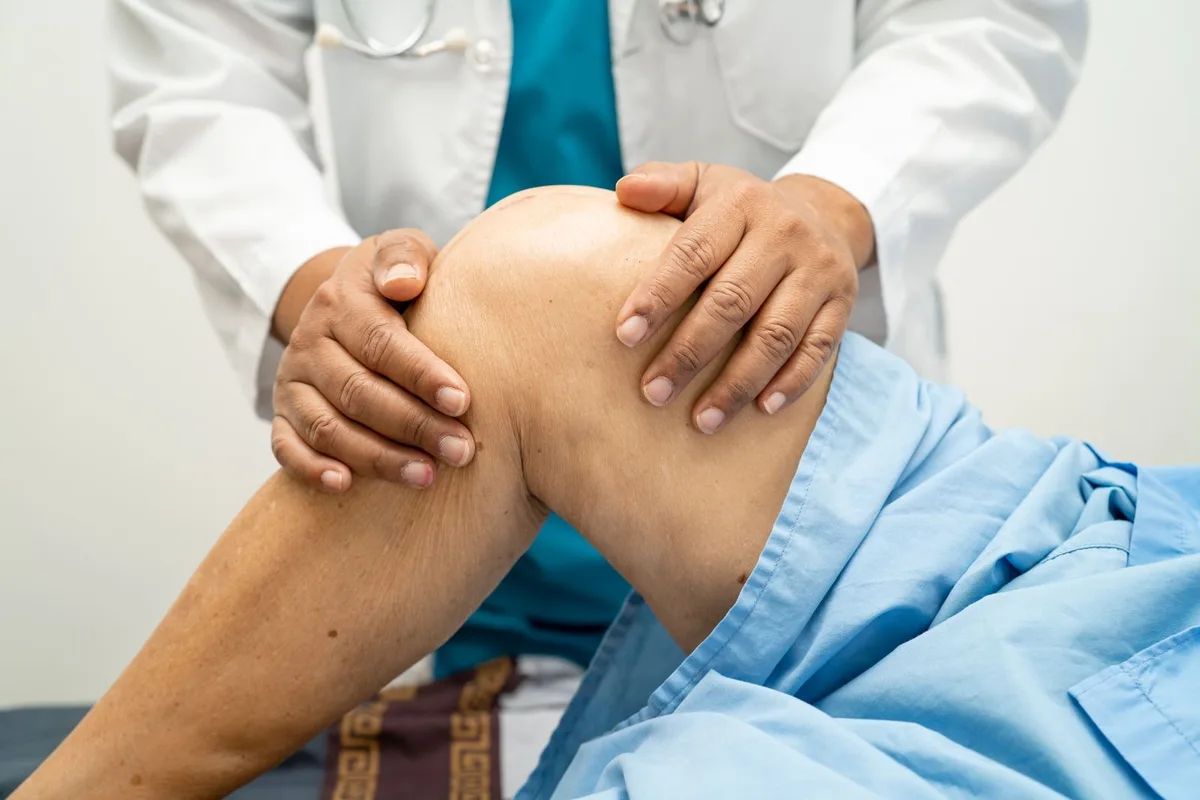
—Who is a candidate
Not every knee is a candidate
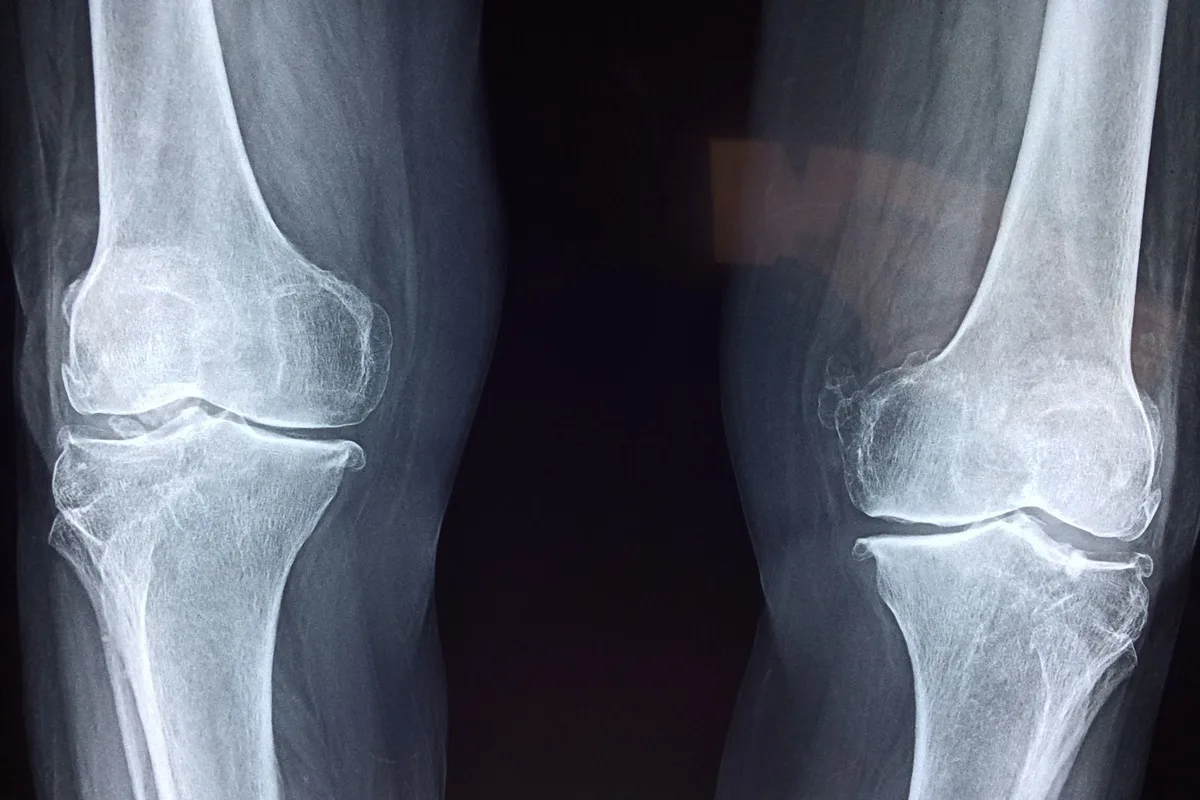
Mild or moderate osteoarthritis
With pain that limits activity.
Without enough improvement
Patients who have already gone through physical therapy and pain management without enough improvement.
Some tendon or ligament injuries
Such as the patellar tendon, depending on imaging.
It’s usually not indicated when wear is advanced and there’s no cartilage left, when there’s a clear indication for surgery, or with some blood conditions. The specialist decides.
—What a session is like
Outpatient, in a single visit
1
Sample collection
A blood sample is taken from the arm.
2
Processing
Processing in a centrifuge to concentrate the platelets.
3
Application
Application inside the knee, with ultrasound guidance when the case requires it.
4
Going home
You walk out the same day, with relative rest.
—Sessions
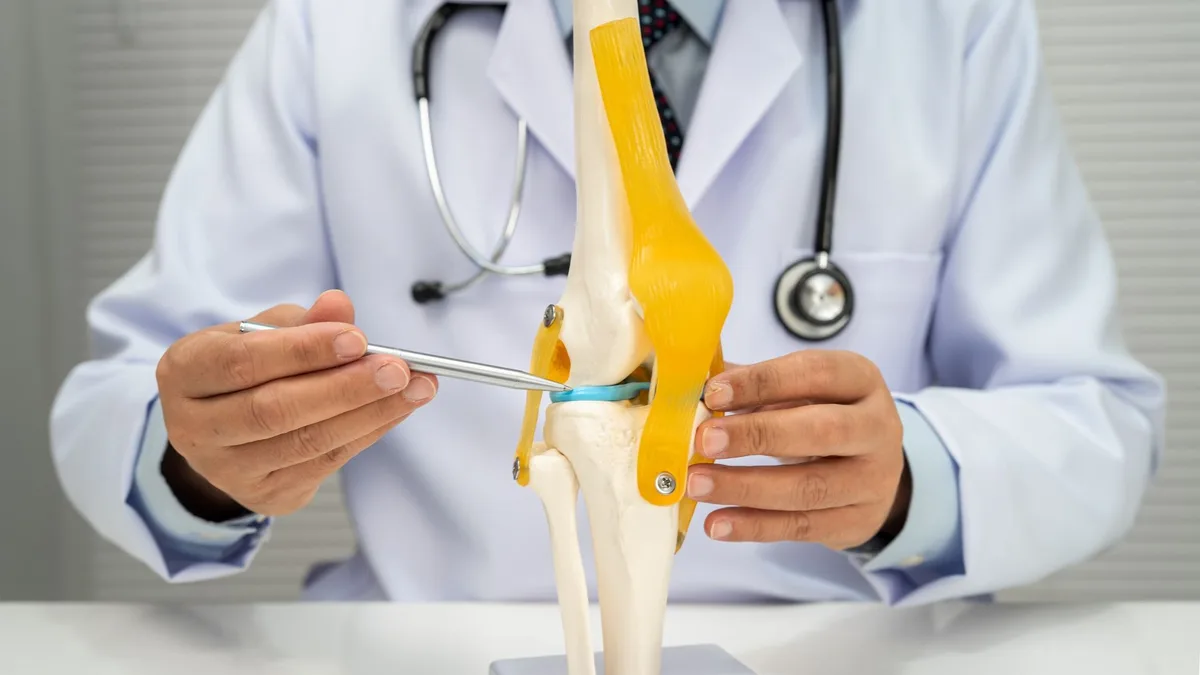
How many sessions and how often
For the knee, schedules of several spaced applications are planned. The exact number depends on the stage of osteoarthritis and each patient’s response, and it’s defined in the assessment.
—What to expect
A biological effect, not an immediate one
Changes in pain and function are assessed over weeks. The published evidence is favorable in certain patient profiles with mild and moderate osteoarthritis, with variation between studies.
PRP doesn’t restore lost cartilage, doesn’t correct knee deformities and doesn’t replace a joint replacement when one is indicated.
—After the injection
Aftercare
- Relative rest for the first few days: walking yes, intense effort no.
- Avoid anti-inflammatories unless prescribed by a doctor, as they may interfere with the intended effect.
- Resume physical therapy as directed by the specialist.
—How we work
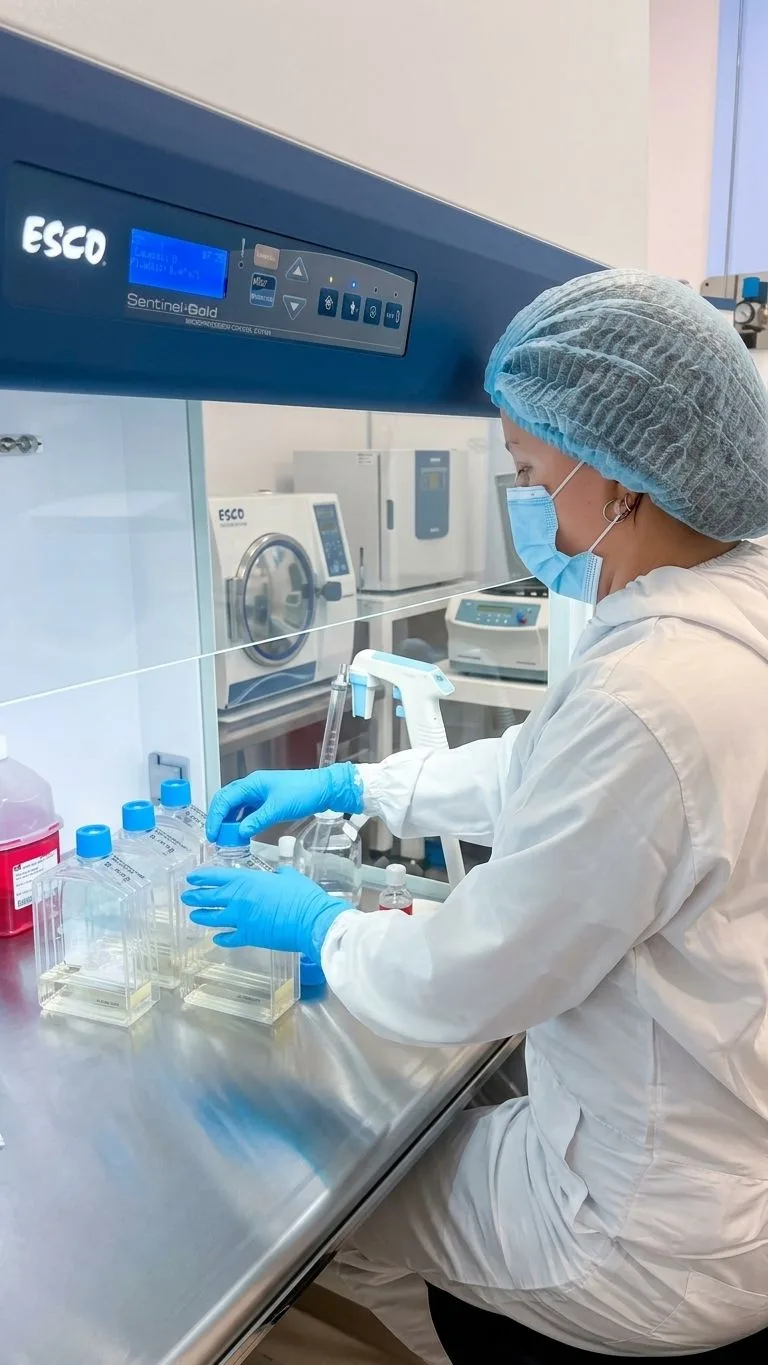
Rigor in every preparation
At CELAVYX we work with our own laboratory and batch-level quality control. Each preparation has its own record of identity, purity, safety and traceability, and that record is available to the patient and their doctor.
In Colombia, the regulatory framework is set by INVIMA.
Is your knee a candidate?
An assessment with a specialist defines it.
—Testimonial
What patients value
“
I’d had knee pain for a long time and had already been through physical therapy and anti-inflammatories. What stood out most in the assessment was that they didn’t promise me anything: they explained what could be tried, how long it would take to see results and in which cases it doesn’t work. I left understanding my own case, which had never happened to me before.
Santiago P.
Patient
—Frequently asked questions
What people ask us most
Does a plasma injection in the knee hurt?
It causes discomfort at the moment of application and may leave a feeling of heaviness or mild swelling for a day or two.
Can I walk afterward?
Yes. You walk out, with relative rest for the first few days.
Does it help if I’ve already been told I need a joint replacement?
In advanced wear, PRP is usually not indicated. Each case is reviewed in the assessment.
How much does it cost?
It depends on the number of sessions and the protocol. It’s explained during the assessment.
Want to know what the procedure and recovery are like? Read our guide (in Spanish) Recovery after PRP in the knee.
—The first step
The first step is the assessment
If you have knee pain and want to know whether PRP is an option for your case, an assessment with a specialist defines it. Tell us about your case and we’ll contact you to schedule it in Bogotá or Buenos Aires.
- We tell you clearly whether you’re a candidate, and if you’re not.
- If you have imaging studies, we review them during the consultation.